It’s true that teenagers are notoriously rebellious and can be difficult to engage at times. However, strategic high school English teachers can tap into their natural desire to question authority and pique their interest in reading by incorporating challenged and banned books into the curriculum. These texts capitalize on students’ curiosity and willingness to discuss controversial, real-world topics—making them a powerful tool for motivating students to read classic canon literature and contemporary young adult novels alike.
Harnessing Student Curiosity with Classic Literature
When I implement literature circles in my English Language Arts classroom, I frequently recommend J.D. Salinger’s The Catcher in the Rye, Ray Bradbury’s Fahrenheit 451, or Harper Lee’s To Kill a Mockingbird.
Before students select their books, I inform them that these core canonical texts have historically faced intense censorship in American schools. Salinger’s novel was frequently challenged for its vulgar language and rebellious protagonist, Fahrenheit 451—ironically a story about book burning—was censored for profanity and controversial themes, and To Kill a Mockingbird continues to spark debates over its sensitive historical language and complex social topics. Framing these classics through their history of challenge instantly piques student curiosity, transforming traditional canon assignments into high-interest, student-led reading groups.
Celebrating Banned Books Week in the ELA Classroom
Banned Books Week—held annually in early autumn (typically in October)—is an ideal time to introduce students to challenged literature and address topics like intellectual freedom and censorship.
Teaching challenged literature—whether it is a classic like To Kill a Mockingbird or a contemporary YA title—has become increasingly complex for educators. Fortunately, there are many engaging classroom activities and teaching tools available to help high school English teachers frame these discussions constructively.
1. Create Student-Led Banned Books Displays
Encourage your students to create visual displays that educate their peers about book challenges. In my high school, our library media specialists created an impactful display using challenged books from our collection. They wrapped texts in caution tape and attached index cards explaining the specific reasons why each title had been challenged over the years. Students can easily recreate this in your classroom using black paper, caution tape, and research cards.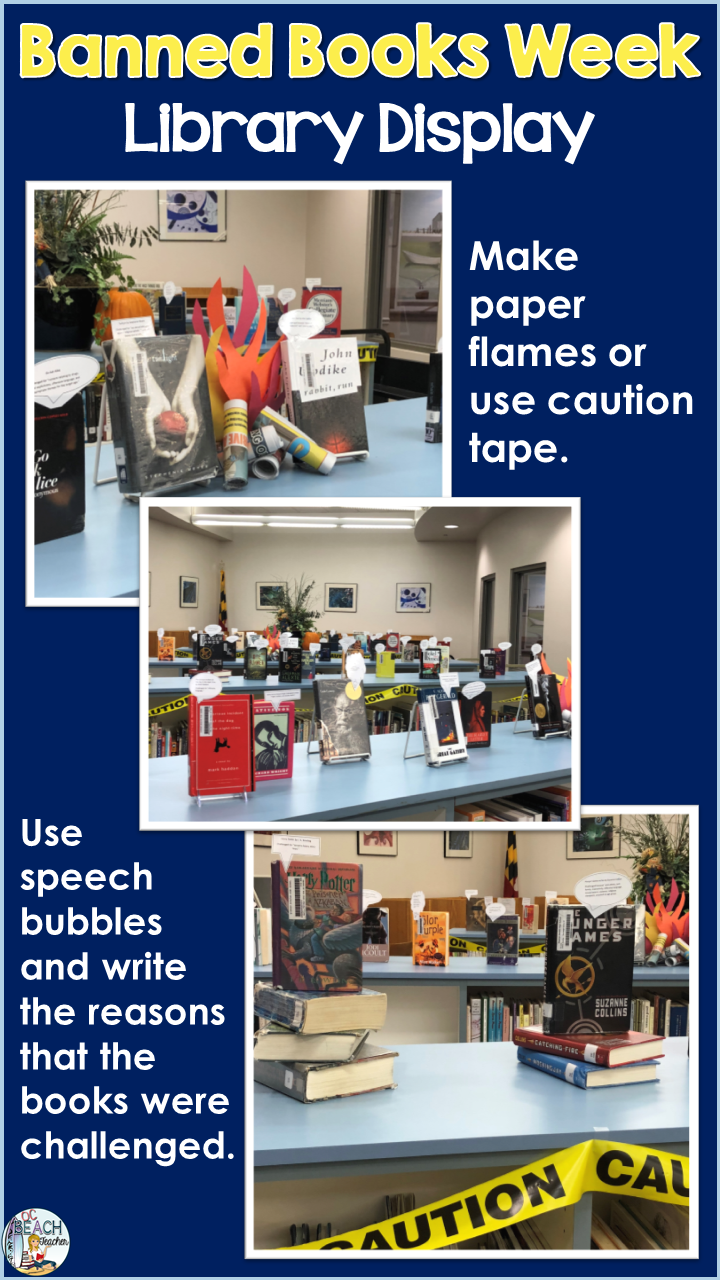
2. Connect Banned Books to Argument Writing
Banned books provide a natural entry point for high school ELA argument writing units. You can assign a short argument writing prompt asking students to analyze a challenge against a specific text and construct a claim: Should this book be banned from school libraries?
To guide their writing, have students complete a graphic organizer that prompts them to:
- Brainstorm evidence supporting intellectual freedom vs. age-appropriateness.
- Identify potential counterarguments from community perspectives.
- Formulate strong refutations based on literary value and First Amendment principles.
3. Develop Book Rationales
Extend student learning by having them research and write a formal book rationale. Students investigate why a chosen text was challenged, locate specific passages in the text, and evaluate its educational and literary value. As a creative conclusion to the project, students can design custom bookmarks featuring quotes about freedom of speech alongside their completed rationales.
4. Collaborate with Your Library Media Specialist
Partner with your school librarian or media specialist to design an interactive lesson on censorship. One highly effective activity involves a “Banned Books Walk”:
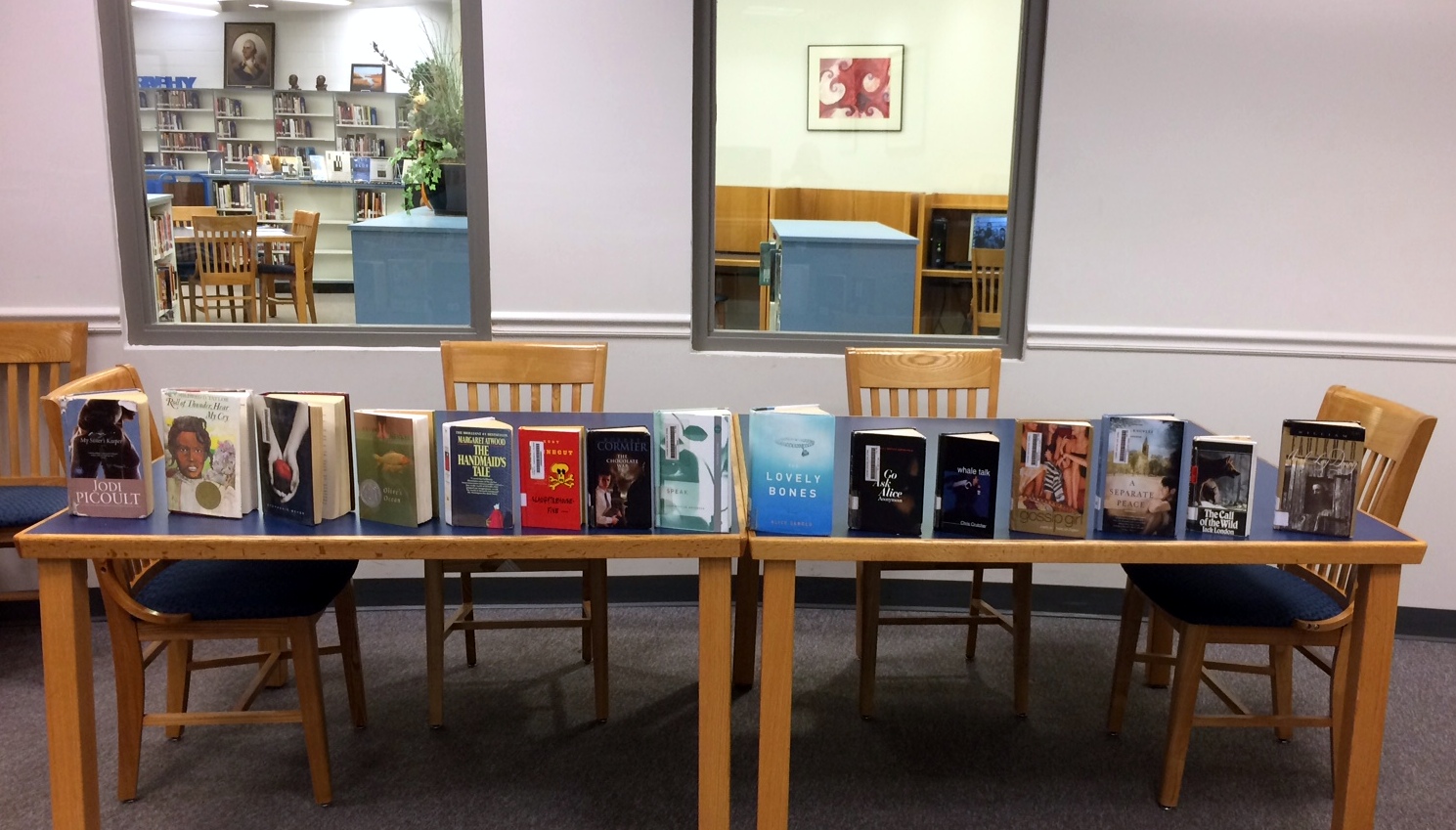
- Set up stations around the room featuring various challenged books throughout history.
- Have students walk around, count how many of the featured books they have read, and select two titles to investigate further.
- Ask students to research the specific reasons behind the challenges and present their findings to the class.
Students are often astonished to discover that widely popular titles—such as the Harry Potter series—have faced challenges in school districts.
5. Record Student Read-Out Videos (or BookTok Clips)
Tap into students’ digital skills by having them create 1-to-2-minute Virtual Read-Out videos. Students can read a passage from a challenged book and explain why its message matters. You can submit these directly to the official Banned Books Week YouTube Channel or host a private class flip/padlet board. For a modern twist, let students format their clips as short-form “BookTok” or Reel-style video reviews. One of my favorite celebrity read-out video is this one from John Green for his novel, Looking for Alaska (make sure to have a few copies on hand when you show it.)
Free Resources and Teacher Tools for Censorship Lessons
If you face a challenge to a text in your curriculum or want additional guidance on teaching banned books, these national organizations offer rationales, defense toolkits, and reporting forms:
National Council of Teachers of English (NCTE) Intellectual Freedom Center: Offers rationale databases and assistance for ELA teachers facing curriculum challenges.
Freedom to Read Foundation (FTRF): Provides legal and educational resources supporting the First Amendment in schools and libraries.
American Library Association (ALA) Office for Intellectual Freedom: Tracks annual book challenge statistics and provides advocacy resources for educators.
By leaning into the controversy surrounding banned and challenged books, ELA teachers can turn natural teenage skepticism into active literacy and critical thinking. Whether you are running literature circles, organizing a interactive library walk, or using censorship as a springboard for argument writing, these strategies empower students to engage deeply with meaningful literature.
How do you handle challenged books in your classroom? Share your favorite activities and tips in the comments below!