
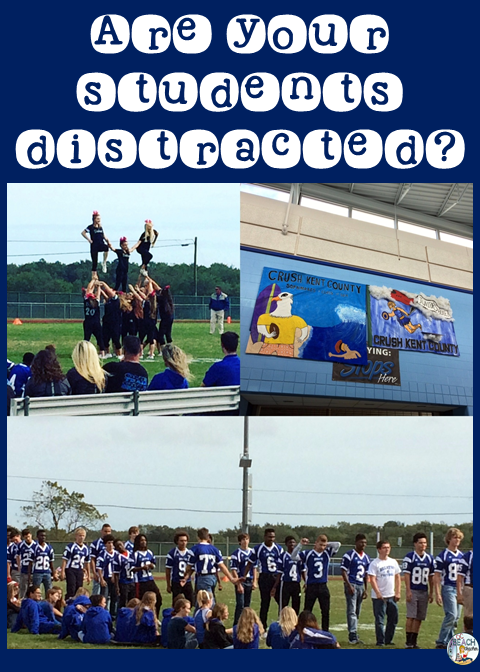
Navigating high-energy school weeks like Homecoming, spirit weeks, holidays, or prom is one of the toughest balancing acts in teaching. Reflecting on my years in the high school English classroom, I realized early on that trying to ignore these major calendar events only leads to frustration for both teachers and students.
Whether you are managing the buzz of an autumn Homecoming week or the restless energy before a long holiday weekend, shifting your approach can save your sanity while keeping learning on track
My Early “New Teacher” Mistake
When I first started teaching, I ignored special events entirely. Whether it was a spirit week, a field trip, a big game, or an upcoming holiday, I took my curriculum very seriously. I expected students to leave their excitement at the door and self-regulate without exception.
That rigid mindset did not make me a very effective or approachable teacher during high-energy weeks. Over the years, I learned to adjust. I had to remember what it was like to be a teenager—the excitement, the social anxiety, and the fun.
Instead of fighting the distraction, I developed a strategy to help students manage their enthusiasm while maintaining meaningful learning.
4 Strategies for Managing Eventful School Weeks

1. Acknowledge the Distraction and Adjust Deadlines: Avoid scheduling major projects or tests for the Monday immediately following Homecoming, Halloween, Thanksgiving, or Prom. If a project is due late Sunday night or early Monday morning, many students will simply fail to submit it, leaving you to handle late work policies instead of focusing on instruction.
Shift major due dates to Tuesday or Wednesday. Giving students a weeknight to settle back into their routine drastically increases submission rates and reduces stress for everyone. Parents will appreciate this, too, especially around holiday travel periods.
2. Maintain Accountability and Channel Physical Energy: Flexibility on major deadlines does not mean pausing learning altogether. Keep core instructional habits intact. In my classroom, we continued daily vocabulary, grammar, and short text analysis. High-interest, compact stories like “The Story of an Hour” or “The Lottery” work well during busy weeks because they demand high critical thinking in a short timeframe.
Use these high-energy periods as an opportunity to rethink how students engage with the content:
- Incorporate active learning: Instead of fighting fidgety energy, give students a productive output for it. High-energy weeks are the perfect time for review games like Trashketball—it gets students out of their seats, encourages active collaboration, and burns off nervous excitement while keeping the focus squarely on learning.
- Scaffolded milestones: Break larger projects down into smaller tasks with periodic check-ins rather than assigning one massive final deadline during a chaotic week.
- Proactive planning: Encourage students to work ahead on routine assignments during the weekend before a spirit week or holiday. Frame this as a crucial real-world skill for balancing heavy workloads with personal commitments in college and careers.
3. Participate in the Spirit: Showing up during these weeks—even in small ways—builds incredible rapport. Participating in dress-up days or asking students about evening events opens doors for low-stakes conversations and shows you care about their lives outside your content area.
If you have the energy, step outside the traditional classroom role! Newer teachers might love jumping into class competitions, performing in the school talent show, or playing in the student-teacher volleyball game. Students truly love seeing their teachers in a different light—it humanizes you, builds school community, and creates lasting memories.
4. Keep Daily Routines and Visuals Predictable: High-energy weeks often bring underlying anxiety for students—whether it is social pressure surrounding dances or stress related to holiday home environments. Predictable classroom routines and clear visual anchors offer a essential sense of stability when everything else feels chaotic.
- Clear visual agendas: Maintain an updated daily agenda on the board and a clear digital calendar so students never have to guess what is coming next or when things are due.
- Consistent opening and closing structures: If your class always starts with a ten-minute journal on Mondays or silent reading on Tuesdays, keep those structures intact.
- Grounding through predictability: Knowing exactly what to expect when they step across your threshold helps calm students’ nerves, lowers cognitive overload, and frees up mental energy for learning.
Teaching during major school events requires flexibility, clear boundaries, and a little grace—for both your students and yourself.
What strategies do you use to keep students focused and engaged during Homecoming, spirit weeks, or the holiday season? Share your thoughts and ideas in the comments below!