
Do you dread teaching grammar? Do your students struggle to understand it, view it as dry, or immediately forget the rules after the test? If so, you’re not alone. For years, English teachers have debated the best way to deliver grammar instruction: Should it be taught strictly in context? As a stand-alone unit? Or omitted altogether?
In 30 years of teaching English from 6th through 12th grade, I learned that a solid foundation in grammar directly improves students’ reading comprehension, writing stamina, and sentence fluency. It also gives high schoolers a distinct advantage on standardized tests like the SAT and Accuplacer. Most importantly, explicit grammar knowledge gives students the exact toolkit they need to edit and elevate their own writing style.
The real hurdle isn’t convincing teachers that grammar matters—it’s getting those concepts to actually stick. Here are 5 practical, classroom-tested strategies to make grammar engaging, meaningful, and memorable for secondary ELA students.
1. Teach Grammar Like Vocabulary (The “Language of Language”)
Grammar gives students a shared vocabulary to discuss writing. When students learn the names for parts of speech and sentence structures, they gain control over their work. During peer reviews, instead of saying “This sounds weird,” they can offer specific, actionable feedback like “You have a subject-verb agreement issue here” or “This section has a few run-on sentences.“
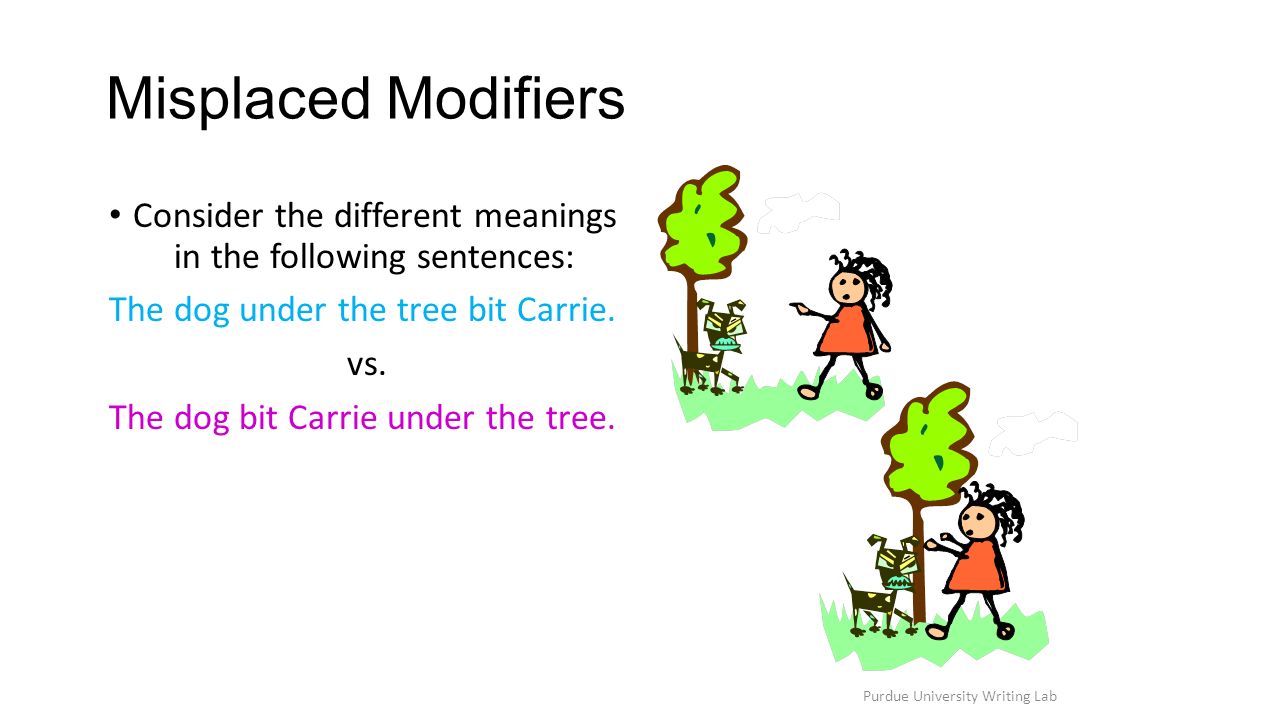 To teach the “language of language,” use the same strategies you use for traditional vocabulary acquisition:
- Visualization & Sketching: Have students draw or map grammar concepts visually. For example, ask them to sketch a sentence and label the subjects, predicates, and direct objects. Imagery lessons work exceptionally well with misplaced modifiers—drawing the literal meaning of a misplaced modifier (e.g., “Walking down the street, the tree caught my eye“) quickly illustrates why grammar rules matter.
- Grammar Hunts: Ask students to find targeted grammar concepts within their independent reading novels or class texts.
- Classroom Idea: When reviewing prepositional phrases, have students hunt for examples in their books. Let them showcase their findings under a document camera or on an interactive whiteboard. As they share, ask them quick comprehension questions about their book—giving you a low-stakes, informal assessment of their reading while reinforcing the grammar concept.
2. Incorporate Guided Practice with Real-World Media
Moving straight from a mini-lesson to independent worksheets often leads to frustration. Bridging that gap with interactive, media-rich guided practice ensures students get support before working on their own.
Relatable Photos & Prompts: Spark writing interest by pairing new concepts with striking images from current events, pop culture, or campus life.
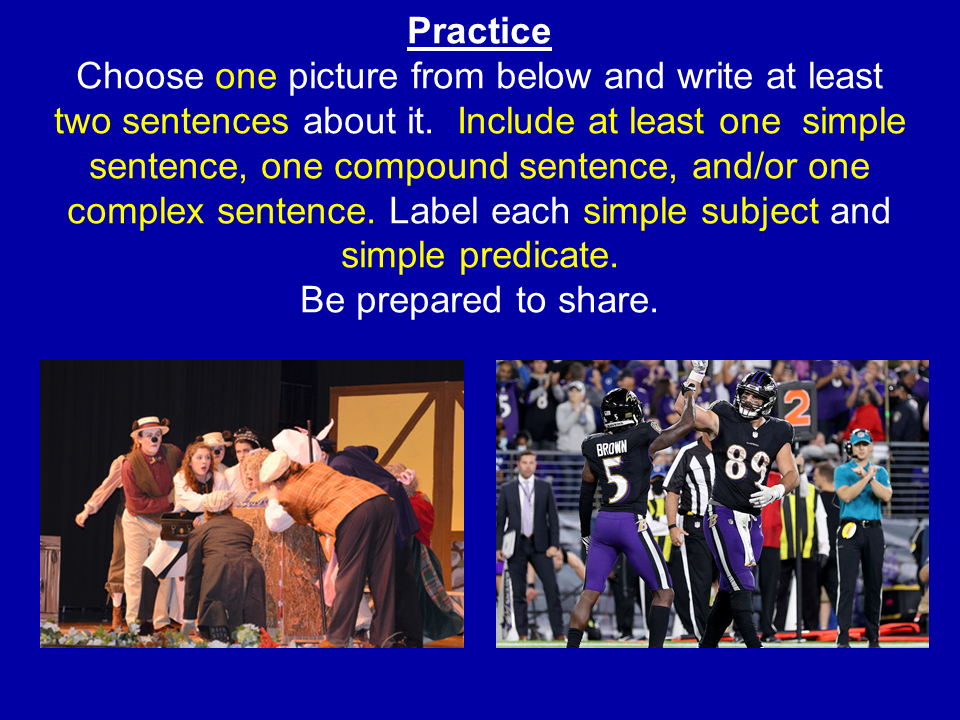 Classroom Idea: When introducing sentence structures (simple, compound, complex, compound-complex), present two captivating photos. Ask students to write a specific sentence structure inspired by each image. Have them share with a partner to troubleshoot errors before running a quick whole-class discussion.
Newspaper Carousel: Get students moving around the room with print media.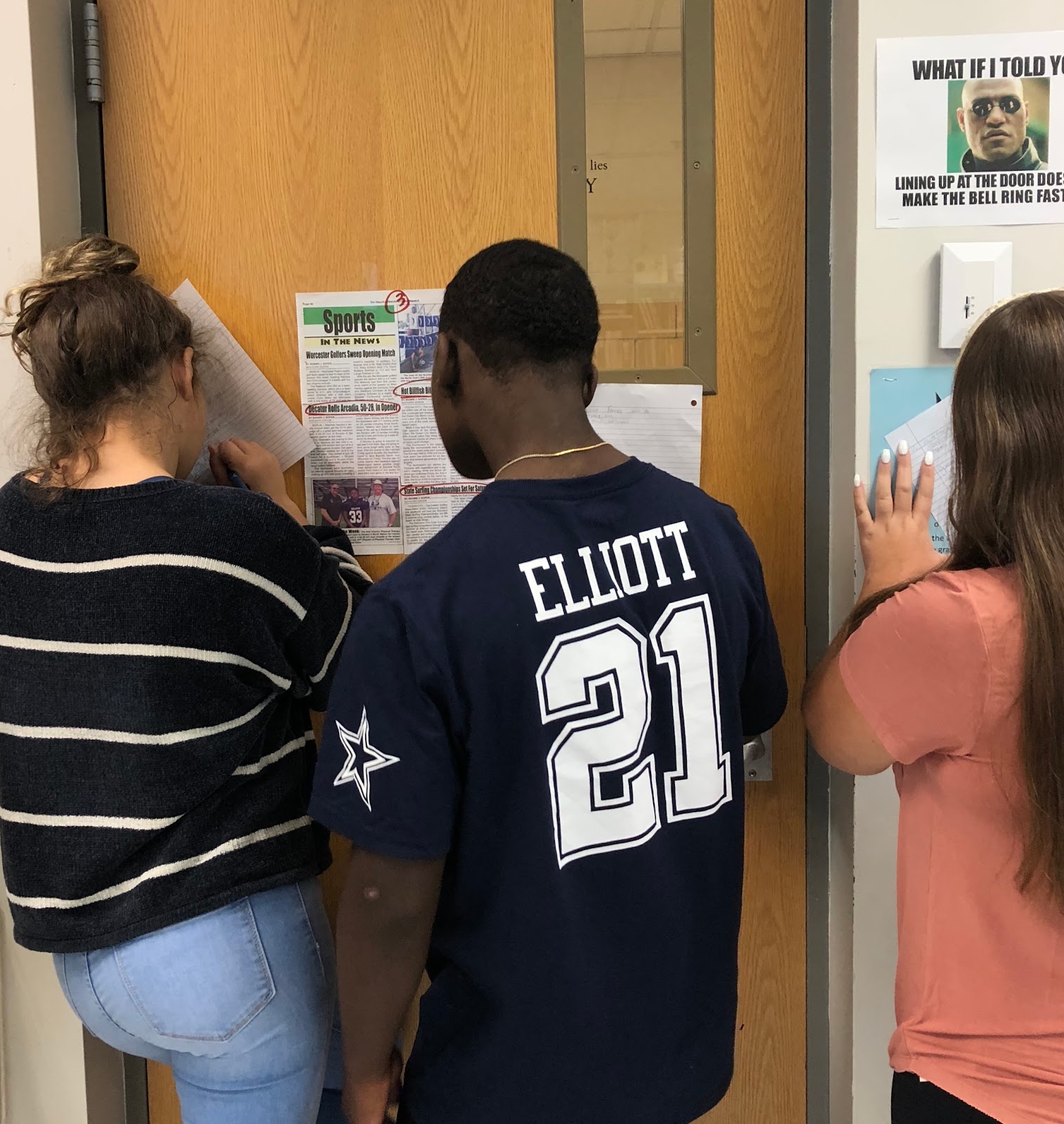 Classroom Idea: Grab headlines from local or national newspapers that feature distinct phrases, clauses, or subject-predicate relationships. Circle headlines on a few pages and station them around the classroom. Divide students into small groups to move station-to-station with a timer, identifying targeted structural elements from each headline on a recording sheet.
3. Leverage Daily Bell-Ringers for Consistent Practice
Grammar retention relies on consistent, spaced repetition. Short, 10- to 15-minute warm-up activities at the start of class keep skills sharp without eating up your entire period.
- Targeted Sentence Corrections: Project 2–3 error-ridden sentences on your board or LMS. Have students edit them individually or in pairs.
- Engagement Tip: Try “Ticket Fridays”—have student volunteers come up to the board/document camera to fix an error and explain their reasoning. Reward participation with raffle tickets for small prizes (stickers, fun pencils, or candy) drawn at the end of the class.
- Sentence Combining: When teaching phrases or clauses (such as appositives or participial phrases), give students two or three short, choppy sentences and ask them to combine them into one sophisticated sentence. This directly connects mechanical grammar to elevated writing style.
4. Gamify Review with Classroom “Trashketball”
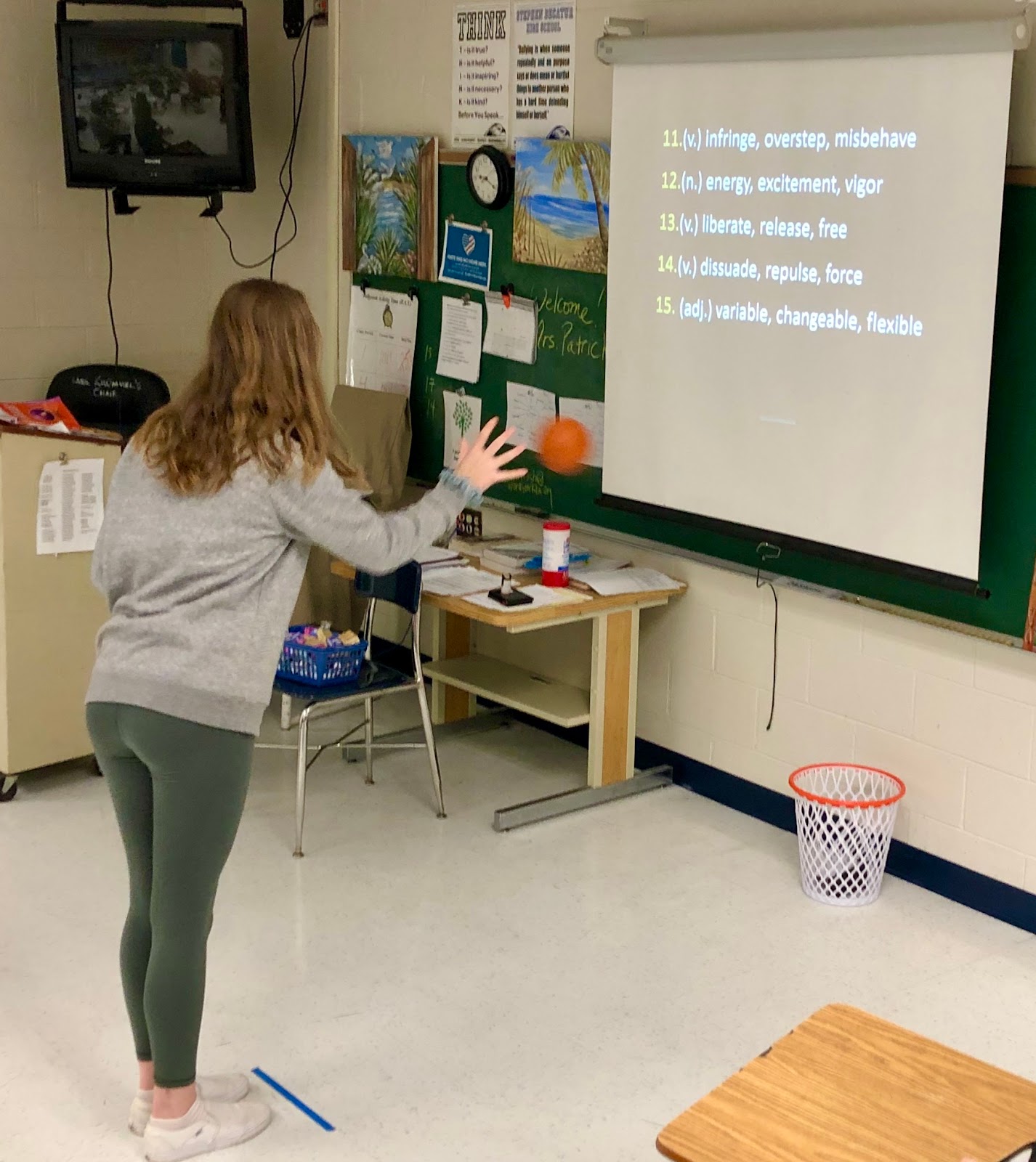 Transforming tedious review sessions into friendly competitions instantly boosts participation—especially on high-distraction days like Fridays, before holiday breaks, or during test prep weeks.
How to Play Trashketball in Secondary ELA:
Group Setup & Captains: Divide the class into small teams and designate a team captain for each group.
Project the Trashketball Game: Groups work together on a set of grammar problems. When finished, the team captain brings their group’s answers up to you.
Productive Struggle: If a group’s answers are incorrect, send the captain back without giving away the answers. The team continues working together to fix their mistakes until they are ready to try again. This builds perseverance and reinforces a growth mindset.
Determine Round Winners: Continue checking submissions until you have 1st, 2nd, and 3rd place winners for the round.
Shooting Strategy & Scoring: Teams earn trashketball shots based on their finish for the round. Encourage groups to strategically plan their turns.
Want to dive deeper into Trashketball?
- Mastering Trashketball Gameplay: A Deeper Dive Into Rules & Setup — Discover the step-by-step game structure, line setups, and mechanics that keep the game running smoothly.
- How to Set Up Trashketball in a High School Classroom — Step-by-step visual tour of court setups, line placement, and behavior management tips.
- Trashketball Classroom Management: Practical strategies for managing noise levels, group dynamics, and off-task behavior during high-energy games.
- How to Host a March Madness ELA Trashketball Tournament — Turn review season into an epic, bracket-style tournament that drives competition and engagement all month long.
5. Weave Grammar Throughout the Entire Week
Grammar should never exist in a vacuum or be treated as a one-off Friday worksheet. To create lasting retention, spiral grammar instruction through every stage of your weekly ELA routine.
Here is an example of what a cohesive, integrated grammar week looks like:
Day | Focus Activity | Lesson Goal |
Monday | Direct Instruction & Modeling | Introduce independent vs. dependent clauses using a interactive mini-lesson or presentation. |
Tuesday | Applied Writing Integration | Ask students to include at least one complex sentence in their written response to the daily reading assignment. |
Wednesday | Test Prep & Analysis | Review an SAT/ACT-style question. Discuss why specific options (like comma splices) are incorrect. |
Thursday | Bell-Ringer Editing | Complete a 5-minute warm-up focused on identifying and fixing subordinate clause fragments. |
Friday | Formative Assessment | Collect a quick exit ticket where students combine main clauses into compound sentences using proper punctuation. |
What Does Grammar Look Like in Your Classroom?
Building effective grammar habits takes time, but integrating movement, real-world media, and low-stakes gamification makes the process rewarding for both you and your students.
How do you make grammar meaningful in your secondary classroom? Do you have favorite websites, games, or mentor texts? Share your thoughts and ideas in the comments below!